
Moving to Alaska is a major adjustment and our pets feel it too. At Alaska Pet Movers, we specialize in minimizing stress for animals traveling to the Last Frontier. While we manage the logistics of getting them there safely, navigating the changing seasons — especially when the clocks “fall back” for Daylight Savings Time —is a crucial aspect of maintaining your furry friends’ comfort and happiness.
When we gain an extra hour of sleep in November, our pets don’t understand why their routines suddenly feel out of sync. A sudden shift can lead to confusion, early wakeup calls, restlessness, and begging for meals.
Here are a few ways to relieve some of your pets’ confusion and foster a smooth transition to the new schedule.
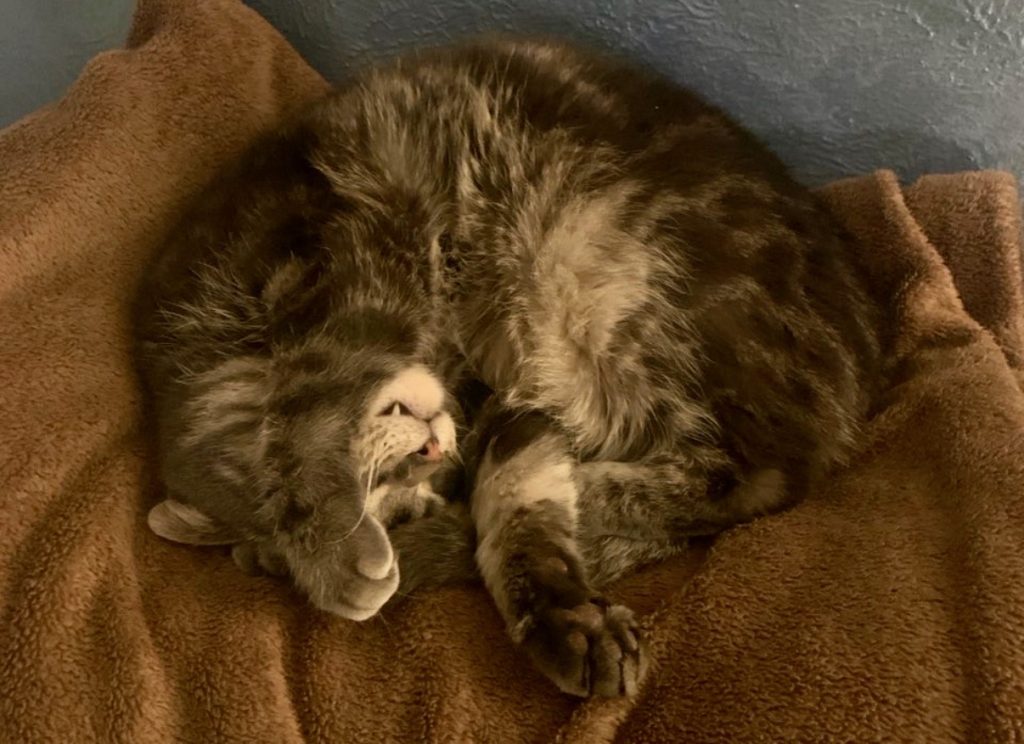
Helping Cats Adjust: Patience and Routine
Cats are creatures of habit and can be particularly sensitive to changes in daylight and feeding schedules.
- Gradual Feeding Shifts: The most common issue is the early morning demand for breakfast. Starting a few days before the time change, shift their feeding time later by 10 to 15 minutes each day. By the time the clocks fall back, their stomachs will be aligned with the new hour.
- Manage Evening Energy: With darkness falling earlier, cats might have pent-up energy. Introduce a new interactive toy or puzzle feeder in the evening to keep them engaged and mentally stimulated.
- Consistent Cues: Stick to your normal routines around the house. If you always read a book before bed, keep doing it. These behavioral cues help signal to your cat what time it is, regardless of what the clock says.
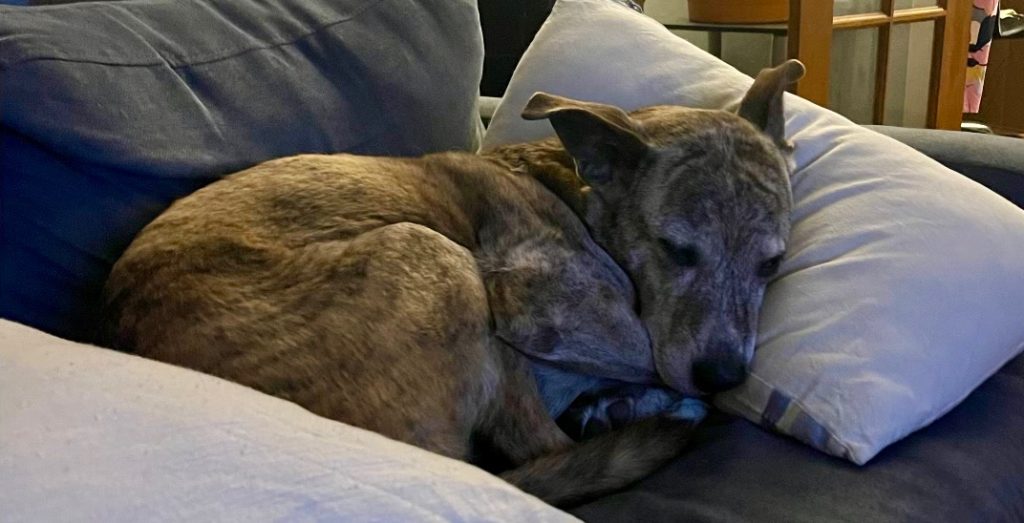
Helping Dogs Adjust: Safety and Structure
Dogs often adapt more quickly because they take so many cues from us, but the sudden change in daylight hours requires extra attention, especially for their outdoor activities.
- Ease into the New Walk and Feeding Time: Just like with feeding, adjust their walk schedule gradually in the days leading up to the change. Push walks and meals by 10-15 minutes each day so the sudden shift isn’t a shock to their system.
- Prioritize Evening Safety: “Falling back” means evening walks will likely happen in the dark. In Alaska, this is a reality for much of the winter. Ensure both you and your dog are visible. Use a reflective leash and harness, and equip your dog with a clip-on LED light or an illuminated collar.
- Tire Them Out: If your dog is restless in the evening because of the early sunset, add a short indoor training session or play a game of fetch down the hallway to help them burn off that extra energy before bed.
Your Partner in Pet Relocation
At Alaska Pet Movers, we know that your pet’s well-being is your top priority. Whether you are navigating the complexities of an airline move or adjusting to the unique daylight patterns of the Alaskan winter, preparation is key.
Useful Resources for Pet Parents:
- Zoetis Petcare: How Does Daylight Saving Affect Your Pet? – A deep dive into the biology of circadian rhythms in dogs and cats.
- PDSA: Pets and Daylight Savings – Quick tips for managing routine changes.